The historical thriller borrows its engine from one genre and its world from another: thriller pacing inside a past that has to hold up. Wartime espionage, church and Vatican conspiracies, archaeological secrets, dual-timeline novels where a modern protagonist pulls a thread that starts in 1943 or 1517 — the shelf covers all of it, and we have published across most of it. (Our house shorthand for the border with historical mystery: a mystery is discovering something; a thriller is discovering it with a gun.)
The genre’s problem is that it sits between shelves. Amazon’s category for it — Thrillers > Historical — exists, but it does not behave like a home the way Historical Mystery’s list does; the book has to be placed across historical fiction, conspiracy thriller, espionage, and mystery categories — and placed carefully, because each shelf has a different reader with different expectations. The espionage reader wants tradecraft and tension. The historical-fiction reader wants immersion and will forgive a slower first act. The conspiracy reader wants the secret to be enormous. A blurb written for one disappoints the other, and the reviews say so. Deciding which reader the book is for, and building the metadata, cover, and advertising around that single choice, is most of the launch.
Comparable titles get chosen the same way — by shared reader, not shared subject. Two books about the same conclave can belong to entirely different readerships, and positioning against the wrong one costs money for as long as the ads run.
We know parts of this shelf unusually well. We work in Italy, we have published conclave fiction and church-conspiracy thrillers, and wartime settings are the deepest part of our catalogue.
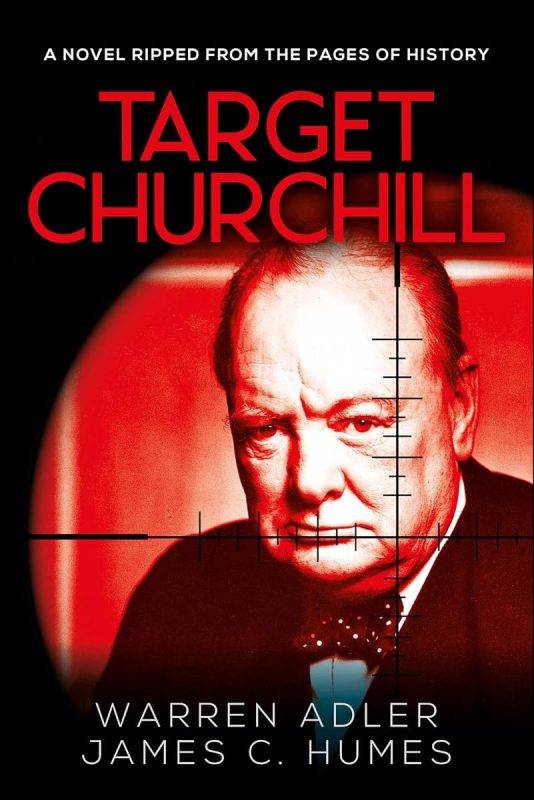
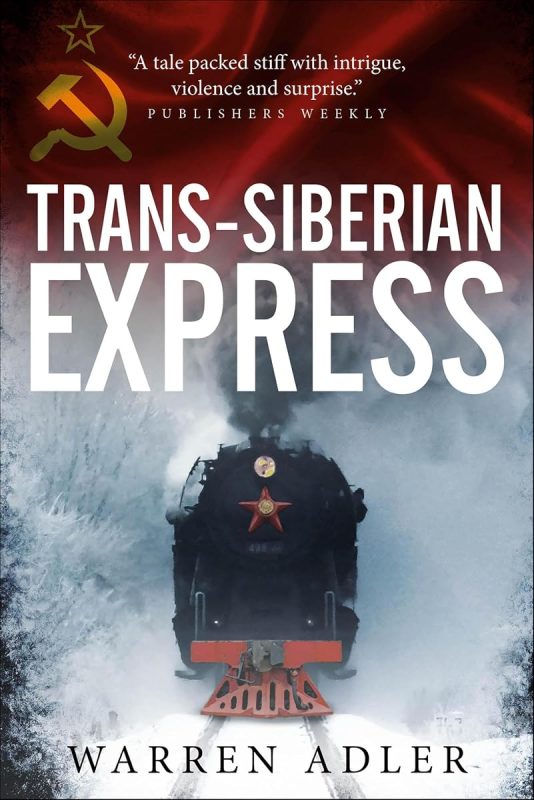
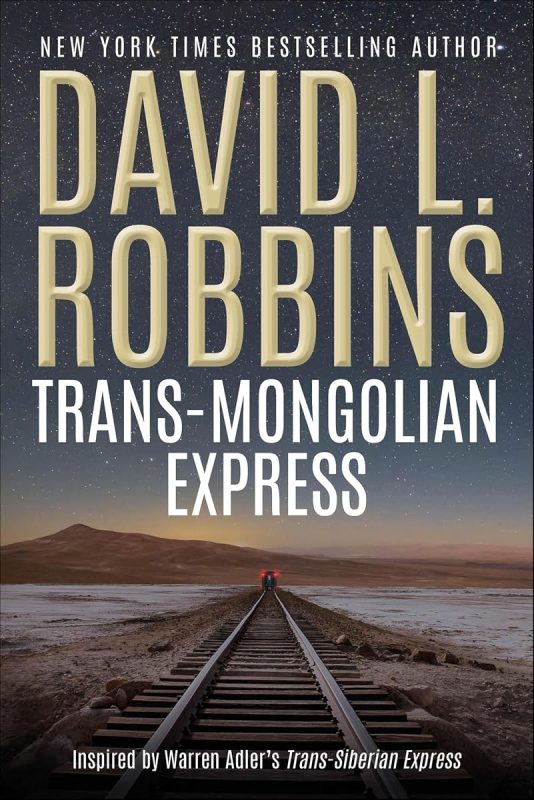
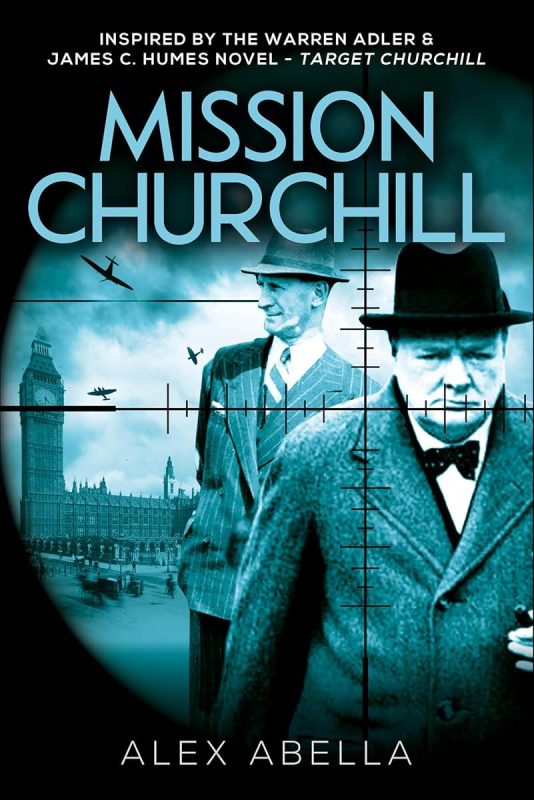
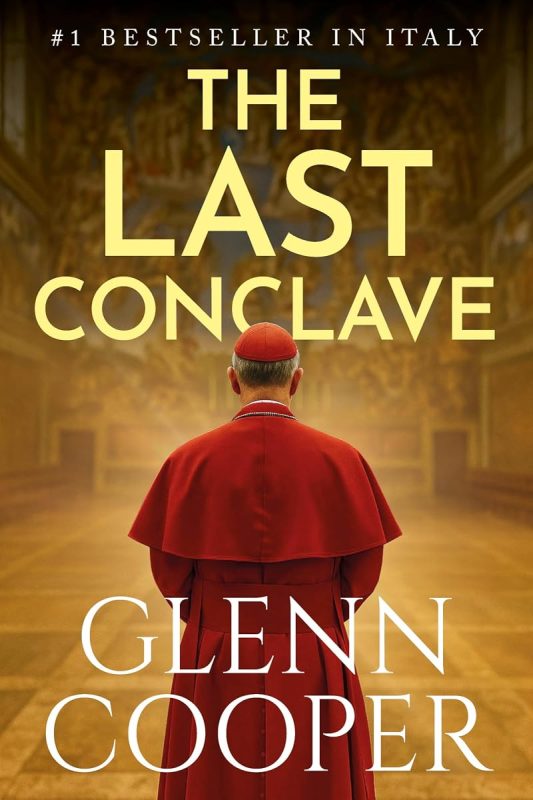
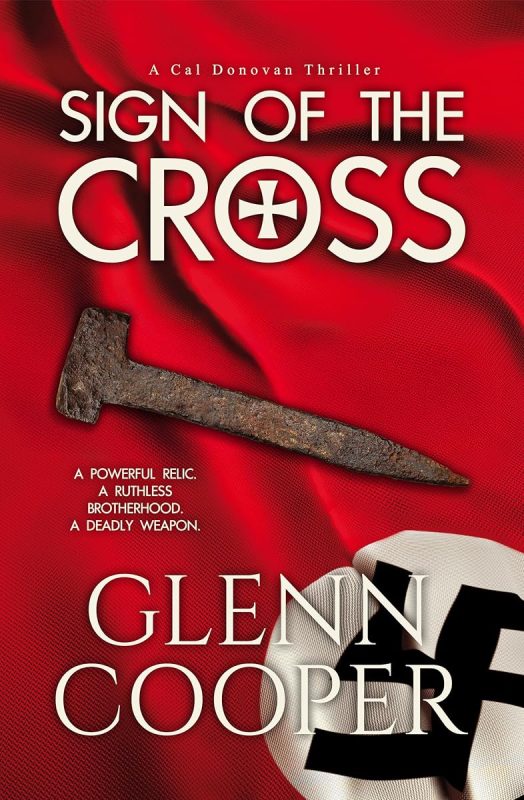
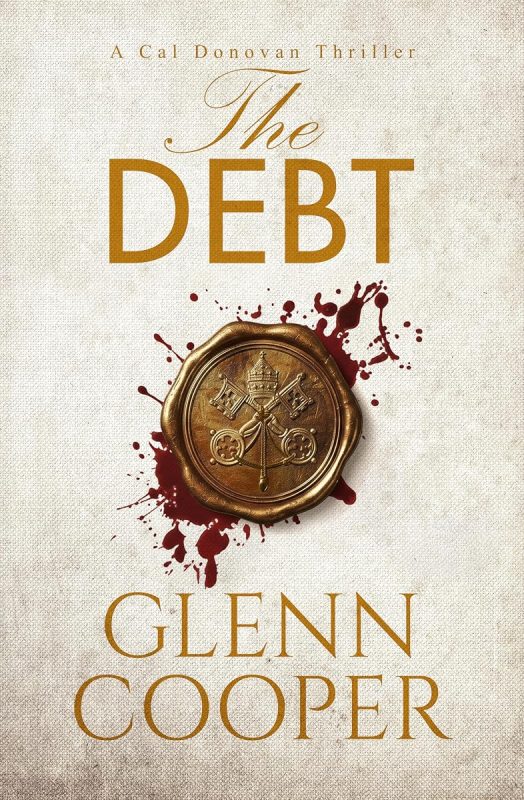
Glenn Cooper’s Cal Donovan Vatican conspiracy thrillers are the deepest vein: The Last Conclave seals the cardinals into the Sistine Chapel and lets them vanish, and The Debt turns on an 1848 loan to the Holy See that was never repaid. Churchill has been a target twice in our catalogue — Warren Adler’s Target Churchill puts Stalin’s assassin behind the Iron Curtain speech, and Alex Abella’s Mission Churchill puts an IRA sharpshooter in the London Blitz. Adler’s Trans-Siberian Express and Trans-Mongolian Express carry the Cold War across Asia by rail.
The engagement follows our standard shape. We read the manuscript and give you a commercial assessment before anyone talks about fees. Then proofing, formatting, cover direction, categories and keywords chosen against market data, an advance-reader campaign through NetGalley and BookFunnel, and advertising creative tested on small budgets, one variable at a time, before anything scales.
You keep your rights, your royalties, and your accounts. We charge a fee for the work. We do not promise a result — the launch gives the book its best chance, and the readers decide the rest.
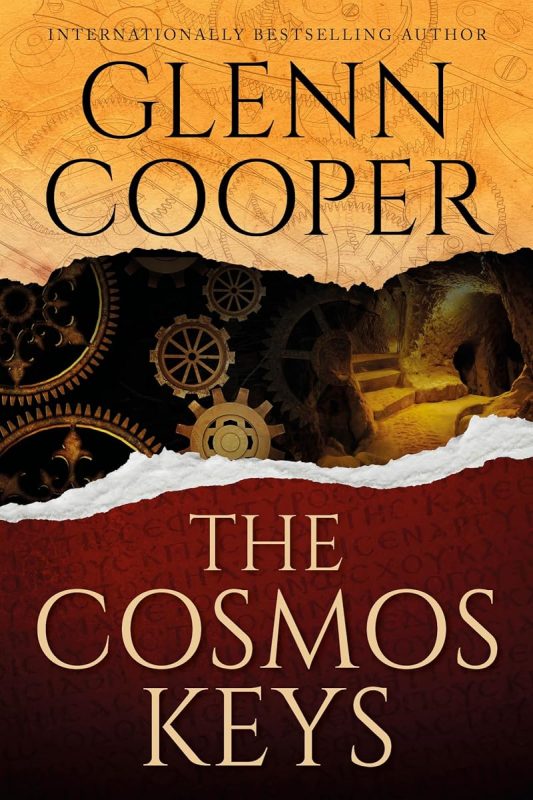
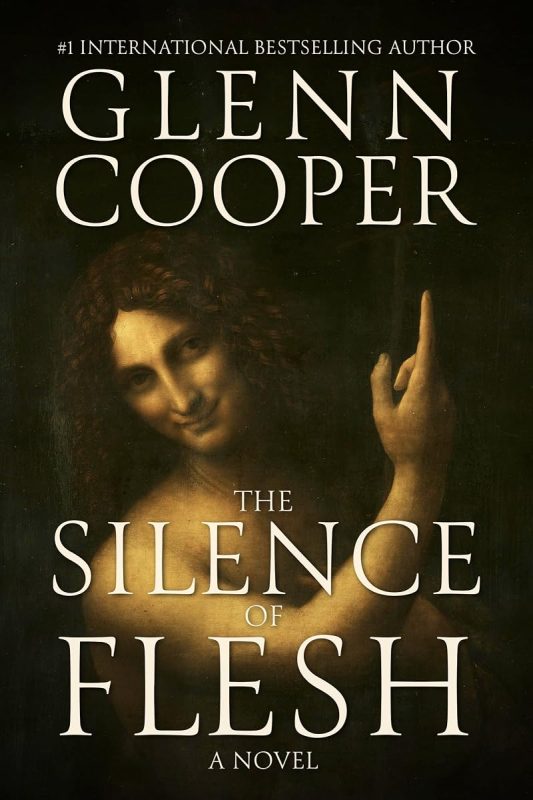
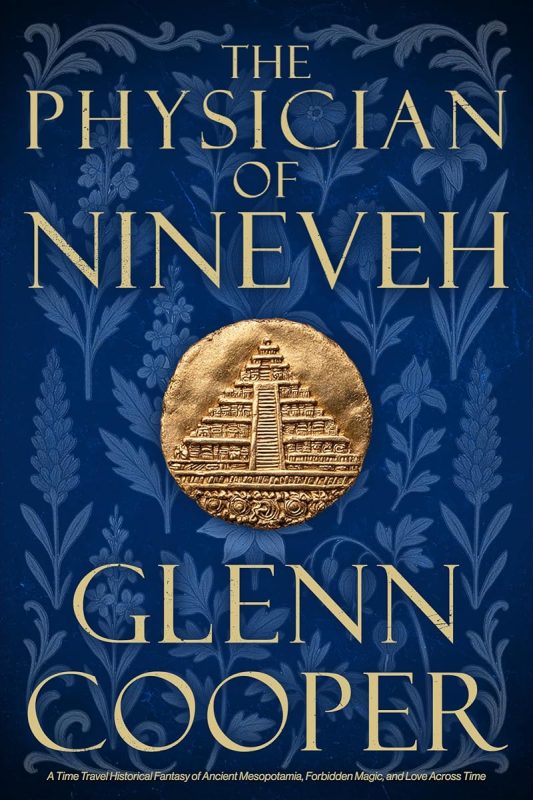
Some of the thrillers we have published
The full catalogue is on our Titles page. Pricing and process are covered plainly in our FAQ. If you are writing a historical thriller, we would like to hear about it.